

Custom plastics production has developed significantly lately, providing corporations freedom, toughness, and cost-effective options for complicated designs. Among the array of production methods, Rotomolding has emerged as a versatile process that fits varied industrial needs. This process allows makers to make top quality, useless, and complicated plastic components without extensive tooling prices, making it suitable for both small and large-scale production.
What is Rotomolding ?
Rotomolding , short for rotational molding , is a manufacturing process where powdered plastic resin is hot in the shape that moves on multiple axes. The turning ensures even level of the resin across the mold's interior, growing a standard wall thickness. Unlike procedure molding , rotomolding does not involve high-pressure machinery, which makes it more energy-efficient and cost-effective for particular applications.
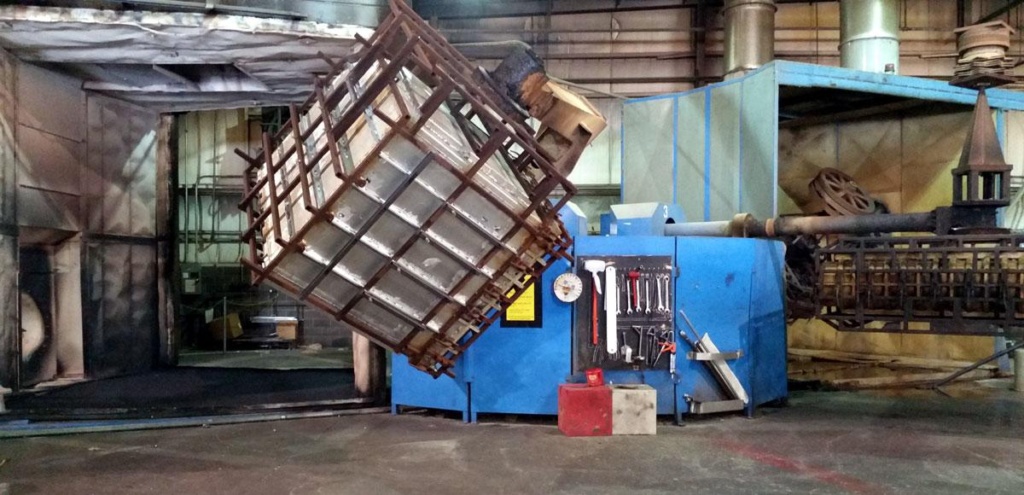
What Will be the Key Features of Rotomolding ?
Style Mobility: Rotomolding makes for the creation of complex designs and big, useless components that could be hard to achieve with other methods.
Durability: Items produced through this process exhibit exceptional influence resistance, making them suited to professional, underwater, and outdoor applications.
Lower Tooling Fees: Unlike other molding techniques, rotomolding needs less costly conforms, lowering original investment.
Consistency: Rotomolding produces standard wall depth, ensuring item stability and longevity.
Which Industries Benefit Most from Rotomolding ?
Rotomolding features a wide range of purposes across industries such as for instance agriculture, automotive, maritime, structure, and client goods. Tanks, pots, playground equipment, and automotive areas are often produced applying this approach because accuracy and cost-efficiency.
How Does Rotomolding Assess to Other Plastic Production Techniques?
In comparison to shot or hit molding , rotomolding presents different benefits in certain situations:
Greater for Big, Useless Parts: Procedure molding is fantastic for little, delicate pieces, but rotomolding excels in making bigger, worthless structures.
Material Performance: Rotomolding minimizes spend as excess product may usually be recycled.
Decrease Working Expenses: The process needs lower difficulties and less complex machinery.
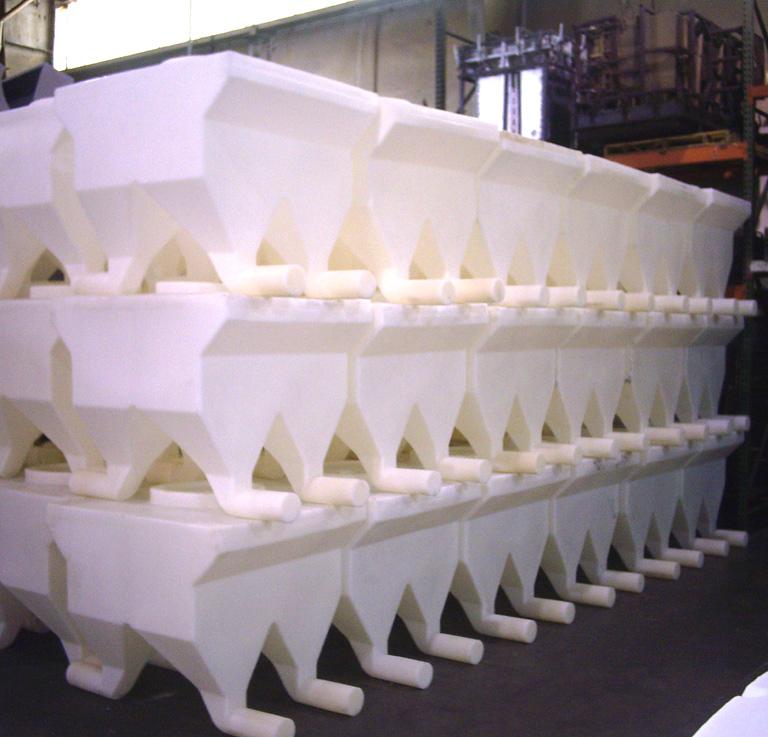
What Will be the Newest Trends in Rotomolding ?
New tendencies include the utilization of recycled products, shade modification, and improved accuracy through computer-aided design. Companies are increasingly focusing on sustainable plastics and quicker creation cycles to meet modern environmental and business demands.
Why Pick Rotomolding for Custom Plastics ?
Having its combination of cost-effectiveness, design mobility, and longevity, rotomolding offers companies the ability to innovate without reducing quality. Whether making little steps or big professional components, rotomolding provides a trusted option that continues to get acceptance across numerous industries.
In summary, rotomolding plays a crucial role in the modern landscape of custom plastics manufacturing. Their ability to provide resilient, cost-efficient, and complex services and products ensures it remains a go-to choice for industries seeking detail and reliability.